

In your twenties, life often feels full and fast at the same time. Work schedules change, social calendars fill up quickly, and personal goals begin to take shape. Many people in this stage want a lifestyle that feels steady without being restrictive. Balance, in this context, is less about strict routines and more about choices that fit into real life.
A balanced lifestyle supports daily energy, enjoyment, and a sense of direction while leaving room for flexibility. This decade is not about doing everything at once. It is about learning what works for you right now and building habits that feel natural rather than forced.
Balance looks different for everyone
A balanced lifestyle in your twenties does not follow a single formula. What feels right for one person may not suit another, and that is completely normal. Some people enjoy structured days, while others prefer a looser flow. Balance begins with noticing how your days actually unfold. When you understand your natural rhythm, it becomes easier to shape routines around it. Instead of copying someone else’s habits, focus on choices that align with your values, interests, and responsibilities. Personal balance grows from awareness, not comparison.
Eating with intention and ease
Food plays a central role in daily routines during your twenties, especially as schedules grow fuller. A balanced approach to eating focuses on variety, regular meals, and enjoyment. It helps to choose foods that feel satisfying and nourishing while allowing room for shared meals and personal favourites. Some people also explore health-friendly supplements by brands like USANA Health Sciences as part of their overall routine, alongside everyday meals and thoughtful food choices. Planning simple meals ahead of time can make busy days run more smoothly. When eating feels intentional but relaxed, it becomes a steady part of daily life rather than something that requires constant thought.
Movement as part of everyday life
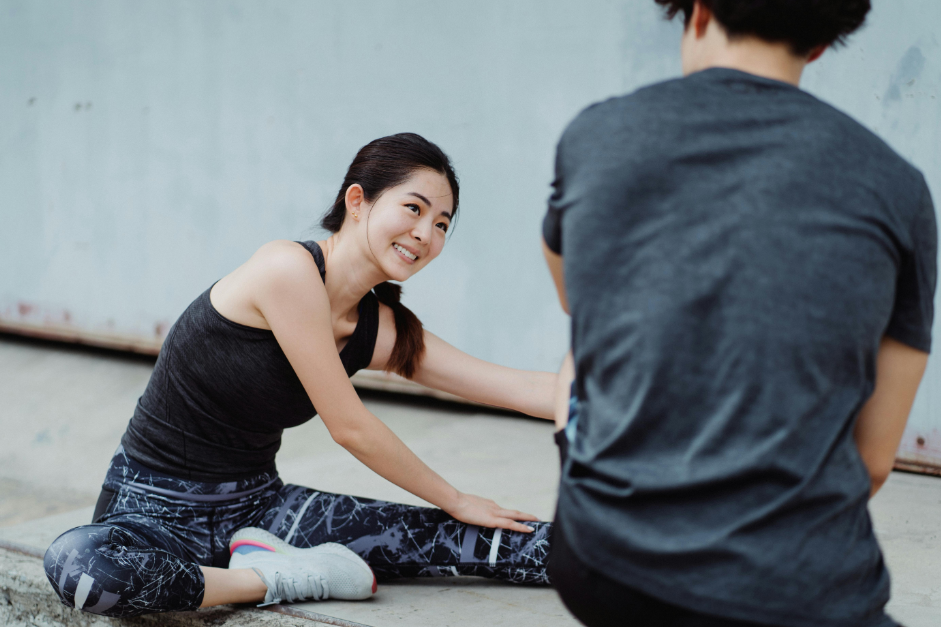
Movement does not need to feel like a separate task. In a balanced lifestyle, it often blends naturally into the day. Walking to nearby places, stretching between activities, or joining friends for an active outing all count. The focus stays on enjoyment and regularity rather than tracking or performance. When movement feels approachable, it becomes something people look forward to rather than schedule around. Over time, these everyday moments of movement support an active lifestyle that fits comfortably into daily life.
The role of social connection
Social life often expands during your twenties, bringing new friendships and shared experiences. A balanced lifestyle makes space for connection while respecting personal time. Spending time with others can feel energizing when it aligns with your interests and boundaries. This might mean choosing gatherings that feel meaningful or balancing social plans with quieter moments. When social time feels intentional, it supports a sense of belonging without overwhelming your schedule. Strong connections grow through consistency, honesty, and shared moments over time.
Building confidence with personal finances
Financial habits play a meaningful role in lifestyle balance during your twenties. Learning how to manage income, track spending, and plan ahead can support peace of mind. This does not require complex systems. Even basic awareness of where money goes each month can help with decision-making. Setting simple goals, such as saving for experiences or future plans, can create a sense of direction. When finances feel organized, they support other areas of life rather than creating added pressure.
Managing time without filling every hour
Time often feels limited in your twenties because responsibilities tend to overlap. Work, social plans, personal interests, and rest all compete for attention. A balanced lifestyle involves making thoughtful decisions about how time is used rather than trying to do everything. Simple planning, such as setting priorities for the week, can bring clarity to busy days. Leaving open space in your schedule also matters. Unplanned time allows for rest, creativity, and flexibility when plans change. When time feels intentional, days feel more manageable and less rushed.
Finding balance in a digital world
Technology shapes how people work, connect, and relax, especially in their twenties. A balanced lifestyle includes being mindful of how and when digital tools are used. This might involve setting limits on screen time during certain parts of the day or choosing moments to be fully offline. Digital balance supports focus and presence, whether at work, with friends, or during personal time. When technology feels intentional, it becomes a useful part of life rather than a constant distraction.
Daily routines that feel realistic
Routines in your twenties work best when they fit into changing schedules and responsibilities. A realistic routine supports your day without taking it over or feeling restrictive. This could mean a simple morning habit you return to most days, such as preparing breakfast at home, or a calming evening pattern that signals the end of work hours. These routines do not need to be long or detailed to be effective. Even small, repeated actions can help your day feel more organized and predictable. When routines feel manageable, they are easier to maintain, adjust, and carry forward as life continues to change.
Allowing your lifestyle to evolve
Balance is not static, especially during a decade marked by change. Careers develop, relationships shift, and priorities grow clearer over time. A balanced lifestyle allows room for these changes without needing to start over each time something new appears. Regular reflection helps identify what still fits and what no longer feels aligned. Adjusting routines, goals, or habits is a normal part of growth. Flexibility supports balance by making space for new stages of life.
A balanced lifestyle in your twenties is built through awareness, choice, and flexibility. It supports daily life without trying to control it. Balance comes from understanding personal needs, managing time with intention, maintaining meaningful connections, and allowing routines to adapt as life changes. Rather than aiming for perfection, balance grows through steady habits that feel realistic and supportive. Over time, these choices create a lifestyle that feels grounded, enjoyable, and well-suited to this stage of life.
