

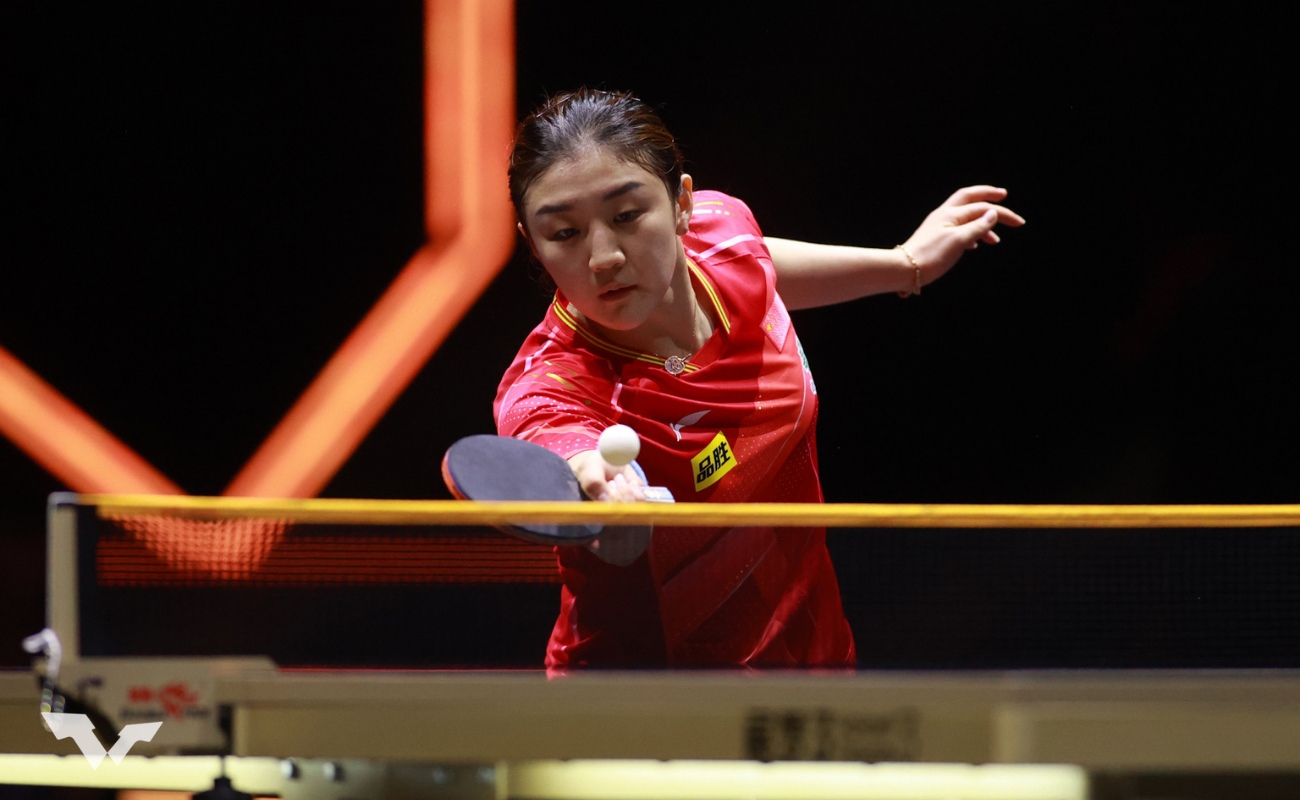
Few sports combine such explosive reflexes with genuine strategic depth quite like table tennis, where professional rallies unfold at speeds that make the ball genuinely difficult to track even for experienced spectators watching live matches. Understanding both the sport’s fundamental rules and the modern professional tour structure transforms confusing broadcasts into genuinely appreciable displays of elite hand-eye coordination and tactical sophistication. Fans wanting to follow tournament coverage can check the latest updates at Dbbet, where sports coverage stays current across a wide range of competitive disciplines.
Understanding Table Tennis as a Competitive Sport
Table tennis ranks among the world’s most widely participated sports, combining explosive reflexes with genuine tactical sophistication across matches that can shift momentum dramatically within just a handful of consecutive points.
The sport’s professional tier demands extraordinary hand-eye coordination, since elite players regularly return shots traveling at speeds exceeding sixty miles per hour, requiring split-second reaction times that few other racquet sports genuinely demand from competitors.
Beyond pure physical reflexes, table tennis incorporates considerable strategic depth too, with players constantly varying spin, placement, and shot pace to disrupt opponents’ rhythm and create genuine scoring opportunities throughout extended competitive rallies.
Breaking Down the Table Tennis Game: Basic Rules and Scoring
Understanding the fundamental table tennis game requires recognizing its scoring system, where matches consist of individual games played to eleven points, with players needing at least a two-point margin to secure victory in any given game.
Competitive matches typically follow a best-of-five or best-of-seven format at professional levels, meaning players must win either three or four individual games respectively before claiming overall match victory against their opponent.
Serving alternates every two points throughout most of a game, switching to every single point once both players reach ten points apiece, a rule specifically designed to prevent any serving advantage from becoming decisive during particularly close, high-stakes game situations.
Equipment and Table Specifications
Regulation table tennis tables measure nine feet in length and five feet in width, divided by a net standing six inches tall across the table’s center, creating the standardized playing surface used across all professional and competitive matches.
Paddles, commonly called rackets or bats, feature rubber coverings on one or both sides, with different rubber types producing genuinely distinct spin and speed characteristics that skilled players strategically exploit throughout competitive matches.
The ball itself, a lightweight plastic sphere, must meet specific size and weight regulations to ensure consistent bounce and flight characteristics across different manufacturers, maintaining competitive fairness regardless of which specific equipment brand a particular tournament utilizes.
Understanding Spin and Its Strategic Importance
Spin represents perhaps table tennis’s most technically sophisticated element, with players applying topspin, backspin, and sidespin to fundamentally alter how the ball bounces and travels after crossing the net toward their opponent.
Elite players develop genuine mastery over generating and reading different spin varieties, since misjudging an opponent’s spin often results in balls sailing off the table entirely or striking the net, immediately surrendering the point during competitive play.
This spin-based strategic layer explains why table tennis rewards considerable technical practice beyond pure athletic reflexes alone, since understanding how different paddle angles and swing paths produce specific spin effects requires years of dedicated skill development.
The Serve: Rules and Strategic Considerations
Serves must bounce once on the server’s own side of the table before crossing the net and bouncing again on the opponent’s side, a fundamental rule difference distinguishing table tennis serving mechanics from many other racquet sports.
Players must also toss the ball vertically at least six inches before contact, a rule specifically implemented to prevent excessive serve concealment that could otherwise create unfair advantages through deceptive, difficult-to-read serving technique.
Despite these regulatory constraints, elite players still generate considerable serve variation through spin manipulation and placement, making the serve a genuinely significant tactical weapon capable of immediately pressuring opponents from the very first shot of any given point.
Understanding the World Table Tennis Tour Structure
The table tennis world tour, officially organized under World Table Tennis, represents the sport’s premier professional competitive circuit, encompassing multiple tournament tiers that collectively determine world rankings and provide pathways toward the sport’s most prestigious events.
This tour structure incorporates several distinct tournament levels, including Grand Smash events representing the absolute pinnacle of competitive table tennis, alongside WTT Champions, Star Contender, and Contender tournaments offering progressively different competitive stakes and ranking point allocations.
Beyond these professional-tier events, the broader ecosystem also includes a Feeder Series designed for developing players building toward higher competitive tiers, alongside dedicated Youth Series competitions specifically supporting the sport’s next generation of emerging talent.
Grand Smash Events: The Sport’s Ultimate Competitions
Grand Smash tournaments represent table tennis’s most prestigious competitive events, drawing the sport’s top-ranked players competing for maximum available ranking points alongside the most substantial prize money offered anywhere within the professional tour calendar.
These marquee events typically attract considerable broadcast attention and spectator interest, functioning similarly to how Grand Slam tournaments operate within tennis, representing the results that most significantly shape overall player reputation and historical legacy within the sport.
Success at Grand Smash events carries disproportionate weight regarding overall world ranking calculations too, meaning strong performances at these particular tournaments provide considerably more ranking point value compared to victories at lower-tier competitive events.
WTT Champions and Star Contender Tournaments
Beneath Grand Smash events, WTT Champions tournaments represent another elite competitive tier, drawing top-ranked players while offering slightly different competitive stakes and ranking point structures compared to the sport’s absolute pinnacle Grand Smash competitions.
Star Contender events occupy the next competitive tier, providing valuable ranking point opportunities while typically featuring a broader mix of established professionals alongside emerging players seeking to climb the world rankings through consistent tournament performance.
This tiered structure allows players across different career stages and current ranking positions to find genuinely appropriate competitive opportunities, whether pursuing maximum ranking points at elite events or building tournament experience through more accessible competitive tiers.
Contender Events and the Broader Competitive Ecosystem
WTT Contender tournaments provide additional competitive opportunities throughout the calendar year, offering meaningful ranking points while typically featuring somewhat less concentrated elite talent compared to the tour’s absolute highest-tier competitive events.
This broader tournament structure means professional players face genuine scheduling decisions throughout the season, balancing mandatory elite-tier commitments against optional tournament selections that best suit their specific competitive development goals and travel logistics.
The overall calendar has expanded considerably in recent years too, reflecting World Table Tennis’s broader strategy toward increasing global tournament accessibility while maintaining meaningful competitive stakes across this multi-tiered professional structure.
Player Exemptions and Tournament Scheduling
Top-ranked players typically receive limited annual exemptions allowing them to skip certain mandatory tournament commitments, providing scheduling flexibility that helps balance the demanding modern tour calendar against players’ individual competitive and personal considerations.
This exemption system reflects genuine recognition that an increasingly packed professional calendar, spanning dozens of annual events across the complete tournament hierarchy, requires reasonable accommodation for player rest and strategic tournament selection throughout a demanding season.
Lower-ranked players generally maintain considerably more scheduling flexibility too, since Contender and Feeder Series events typically remain optional rather than mandatory, allowing these competitors to select tournaments that best align with their specific development priorities.
The Global Growth of Competitive Table Tennis
Table tennis’s competitive infrastructure continues expanding globally, with an increasing number of countries hosting sanctioned World Table Tennis events, reflecting the sport’s genuinely broad international participation base extending across virtually every populated continent.
This geographic expansion has occasionally generated some criticism within the dedicated table tennis community too, with observers questioning whether an increasingly crowded tournament calendar risks diluting individual event significance compared to a more selectively curated competitive schedule.
Despite these ongoing debates regarding optimal tournament structure, the sport’s continued global growth demonstrates genuine sustained interest, ensuring table tennis maintains its position among the world’s most widely played competitive racquet sports.
Why Understanding These Rules Enhances the Viewing Experience
Genuinely understanding table tennis’s spin-based strategic elements and scoring structure considerably enhances viewing experience, transforming what might initially appear as simple rapid ball exchanges into genuinely sophisticated tactical contests between highly skilled competitors.
This knowledge becomes particularly valuable when following major tournaments specifically, since understanding how elite players manipulate spin and placement reveals considerable strategic depth that casual viewers unfamiliar with the sport’s technical nuances often completely miss.
Whatever specific tournament tier initially captures a new fan’s interest, understanding table tennis’s complete competitive structure and fundamental gameplay rules provides genuinely valuable foundation for appreciating this demanding sport’s combination of explosive athleticism and tactical sophistication.
