

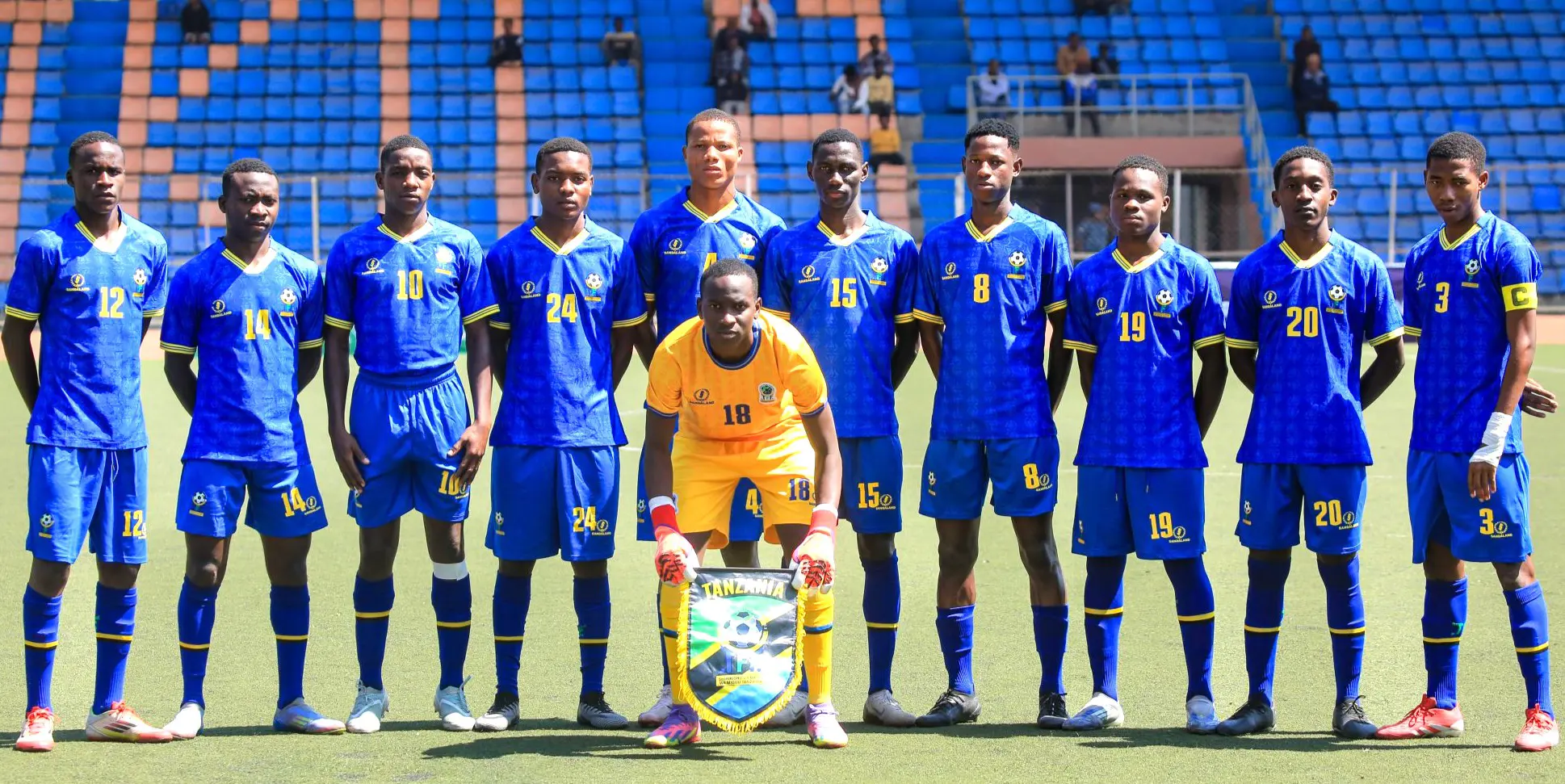
Sport builds national identity in East Africa in ways that extend beyond entertainment into genuine collective pride and community cohesion. Tanzania football carries this weight with specific intensity — a nation of over 60 million people whose passion for the game is visible in every urban neighborhood and rural community, whose domestic club rivalries generate the kind of atmosphere that visiting teams describe with genuine respect, and whose national team ambitions have been growing alongside the organizational improvements that make those ambitions increasingly credible rather than merely aspirational. Fans following Tanzanian football and East African competition can find dedicated markets at dbbet.
Tanzania Football: The Cultural Foundation
Tanzania football rests on a cultural foundation whose depth the sport’s relatively modest international competitive profile has historically understated. Football arrived through colonial contact in the early twentieth century and was absorbed into Tanzanian community life with the completeness that the game achieves in societies where its accessibility — requiring minimal equipment and adapting to any available space — makes it the natural default physical activity for every generation of young people.
The specific character of Tanzanian football culture reflects both the sport’s universal appeal and the specific local traditions that have developed around it. The Dar es Salaam derby between Simba SC and Young Africans SC generates atmosphere whose intensity rival observers consistently compare favorably with fixtures in far more commercially developed football environments — a testimony to the genuine passion that domestic club football commands rather than the imported enthusiasm that broadcast-driven interest in foreign leagues occasionally substitutes for genuine local engagement.
This cultural foundation creates the participation base that talent identification requires — the millions of young Tanzanians playing football daily across every district in the country providing the raw material from which systematic development can identify and cultivate the specific talent that competitive football at national and international level demands.
The National Team: Taifa Stars’ Journey
The Taifa Stars’ competitive journey across East African and continental football reflects both the genuine progress that Tanzania’s football development has achieved and the honest assessment of distance that remains between current competitive standards and the continental elite that AFCON’s knockout stages consistently represent.
Tanzania’s AFCON qualification — the specific achievement that marked the national team’s breakthrough into the continental tournament’s final stages — delivered the competitive exposure that regional competition alone could not provide. Facing nations whose football infrastructure, coaching quality, and player development depth significantly exceeded Tanzania’s own organizational standards at that point provided both the competitive benchmarks and the specific tactical lessons that the national team’s subsequent development has been building upon.
The Taifa Stars’ squad reflects the dual-source composition that characterizes developing African national teams — domestic league performers who bring familiarity with the national team’s tactical approach and playing conditions, combined with diaspora players whose experiences in more competitive international environments bring technical and tactical sophistication that domestic-only development cannot yet reliably produce. Managing these complementary contributions within coherent team structures is the specific coaching challenge that successive Taifa Stars managers have navigated with varying effectiveness.
East African Regional Competition: The CECAFA Context
The Council for East and Central Africa Football Associations — CECAFA — provides the regional tournament framework within which Tanzania competes most frequently against neighboring nations whose football development trajectories share significant similarities with Tanzania’s own experience. The CECAFA Senior Challenge Cup and the various age-group competitions that the confederation organizes create the regular competitive exposure that national team programs require between the less frequent AFCON and World Cup qualification windows.
Regional competition serves specific developmental functions that continental and global competition cannot provide at comparable frequency. The preparation opportunity — bringing national team squads together for extended periods of training and competition rather than the condensed preparation windows that qualification campaigns allow — builds the collective understanding and tactical coherence that tournament performance depends upon. The competitive experience — game time against opposition whose quality provides genuine challenges without the gulf that Africa’s strongest nations would create in every competitive encounter — builds confidence alongside the technical improvements that competitive practice generates.
Tanzania’s regional competition record — the specific results across CECAFA tournaments and East African qualifying competitions — reflects competitive quality that has been improving alongside the federation’s organizational investments. The trajectory matters as much as the specific results — a team demonstrating consistent improvement across regional competition cycles is building the organizational foundation that continental ambitions require.
Club Football’s Contribution to National Team Quality
The relationship between domestic club football quality and national team competitive standard is more direct in Tanzanian football than in nations whose best players compete predominantly in foreign leagues — the Premier League players who form the backbone of the Taifa Stars developed their professional capabilities within the Tanzanian domestic competition that club investment and federation governance have been progressively improving.
Simba SC’s sustained investment in squad quality and coaching expertise has produced the Premier League’s most consistent competitive standard — a club whose CAF Champions League participation has exposed players to continental competition that domestic opposition alone cannot replicate. The specific competitive improvements that players develop through Simba’s continental campaigns — the physical preparation required for higher-quality opposition, the tactical adjustments that unfamiliar opponents demand, and the organizational professionalism that extended continental campaigns require — flow directly into the national team pool whose quality those players represent.
Young Africans SC’s parallel competitive development — matching Simba’s ambitions across domestic competition while pursuing their own continental objectives — creates the competitive rivalry that drives improvement across both clubs simultaneously. A domestic competition where two genuinely competitive clubs push each other’s standards upward creates a more demanding development environment than one club’s clear dominance would produce — a competitive dynamic whose national team benefits are measurable in the quality of the player pool that selection committees access.
Youth Development: Tanzania’s Football Investment
Tanzania’s football future is being constructed at youth level across programs whose quality variation — between the best-resourced urban academies and the school-level programs that represent most young Tanzanians’ first organized football experience — reflects the development challenge that converting widespread participation into systematic talent development presents.
The federation’s youth competition structure — national championships across under-17 and under-20 categories — provides the competitive pathways that identify talented players whose performances justify the additional investment that elite development requires. Players who emerge through these pathways with genuine quality arrive at senior domestic competition with competitive experience that informal development cannot provide — the specific competitive pressure of national youth championships building the psychological foundations that professional football subsequently tests.
The challenge is extending quality development access beyond urban centers where football infrastructure concentrates. Talented players in rural Tanzania whose communities produce football participants through genuine cultural engagement with the sport — but whose geographic distance from quality coaching creates development gaps that informal talent prevents from being fully realized — represent the largest untapped element of Tanzania’s football potential.
What Regional Success Requires
Building sustained regional competitive success — the consistent CECAFA performance and AFCON qualification that Tanzania’s football community increasingly treats as minimum expectation rather than aspirational achievement — requires organizational continuity whose value football governance in developing nations sometimes underestimates relative to the immediate results that coaching changes and tactical experimentation promise.
Coaching continuity across multiple qualification cycles allows the tactical understanding and player relationship development that competitive national team performance depends upon to accumulate rather than resetting with each appointment. Player development continuity — ensuring that the investment in identifying and developing talented young players translates into senior team opportunities rather than developmental losses to foreign clubs or other national team programs through eligibility — requires the organized talent management that systematic federation planning produces.
Tanzania’s football trajectory suggests the organizational lessons are being learned. Each competitive cycle produces better-organized campaigns, clearer development pathways, and more consistent national team performances than the previous one. The compounding effect of these incremental improvements — across federation governance, domestic league quality, youth development infrastructure, and national team preparation — is what Tanzania’s football community is building toward, patiently and with growing confidence that the destination is competitive excellence rather than merely competitive participation.
