

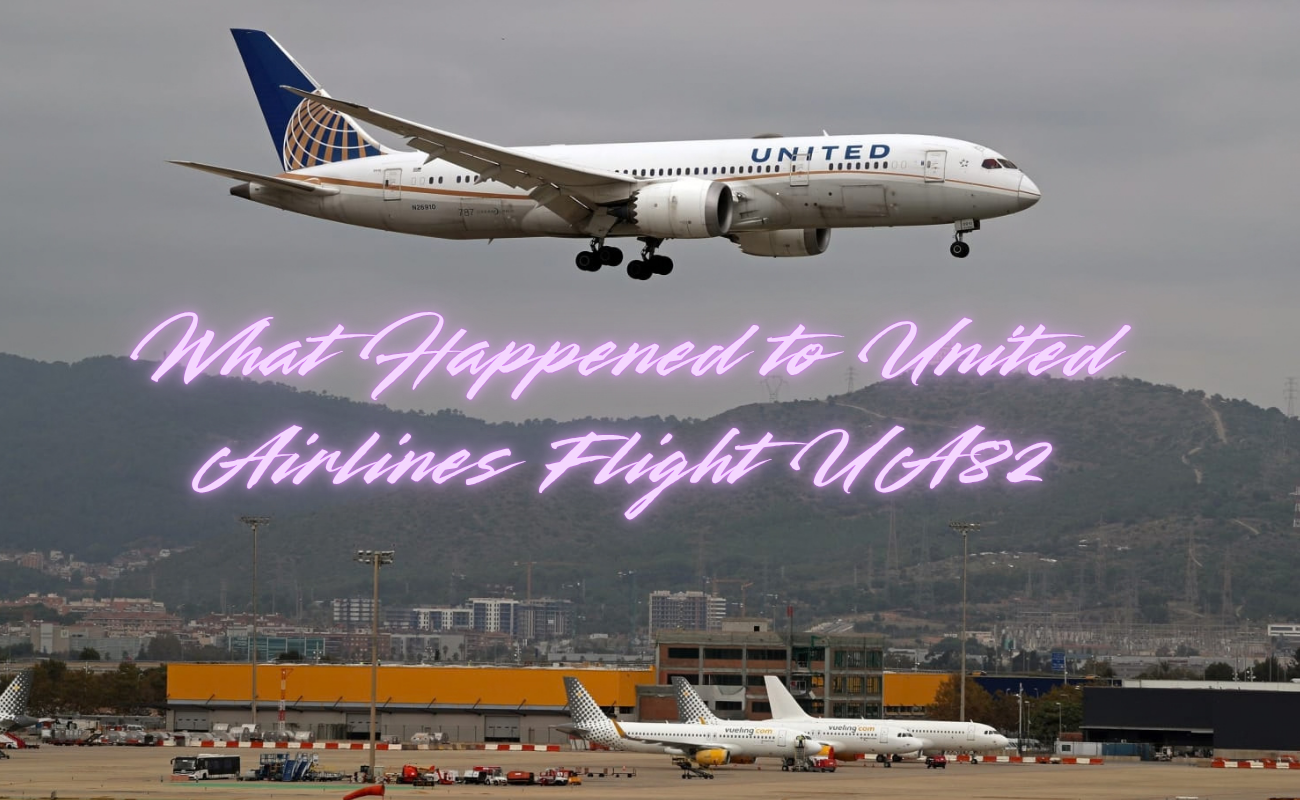
It was supposed to be a routine overnight flight from Newark to Delhi. Passengers had found their seats, stowed their bags, and were settling in for the long journey ahead. Then came an announcement no one wants to hear mid-air. The plane was turning back.
That was United Airlines flight UA82 on July 7, 2025, and what happened next showed exactly why modern aviation safety works. No panic, no chaos. Just a calm, professional response to a warning light that could not be ignored. Here is the full story.
What Is United Airlines Flight UA82?
First, a little background. UA82 is one of United’s daily flights from Newark Liberty Airport in New Jersey to Indira Gandhi Airport in Delhi, India. It is a long-haul route, flown by a Boeing 787-9 Dreamliner, carrying hundreds of passengers over roughly 7,300 miles.
On the night of July 7, 2025, the plane was set to leave Newark at 9:30 PM. The aircraft was a Boeing 787-9, tail number N23983, only about 4.8 years old, with two GEnx engines. A young, modern plane.
Everything went smoothly on the ground. Passengers boarded, bags were loaded, and the plane pushed back right on time. Takeoff was normal. No one on board had any idea that less than an hour later, they would be heading back.
What Went Wrong in the Air?
About 45 minutes into the flight, while the aircraft was cruising at 33,000 feet, the crew received an automated warning. It was not a passenger alarm. It was an ACARS message, a digital alert sent straight from the aircraft to the maintenance team on the ground.
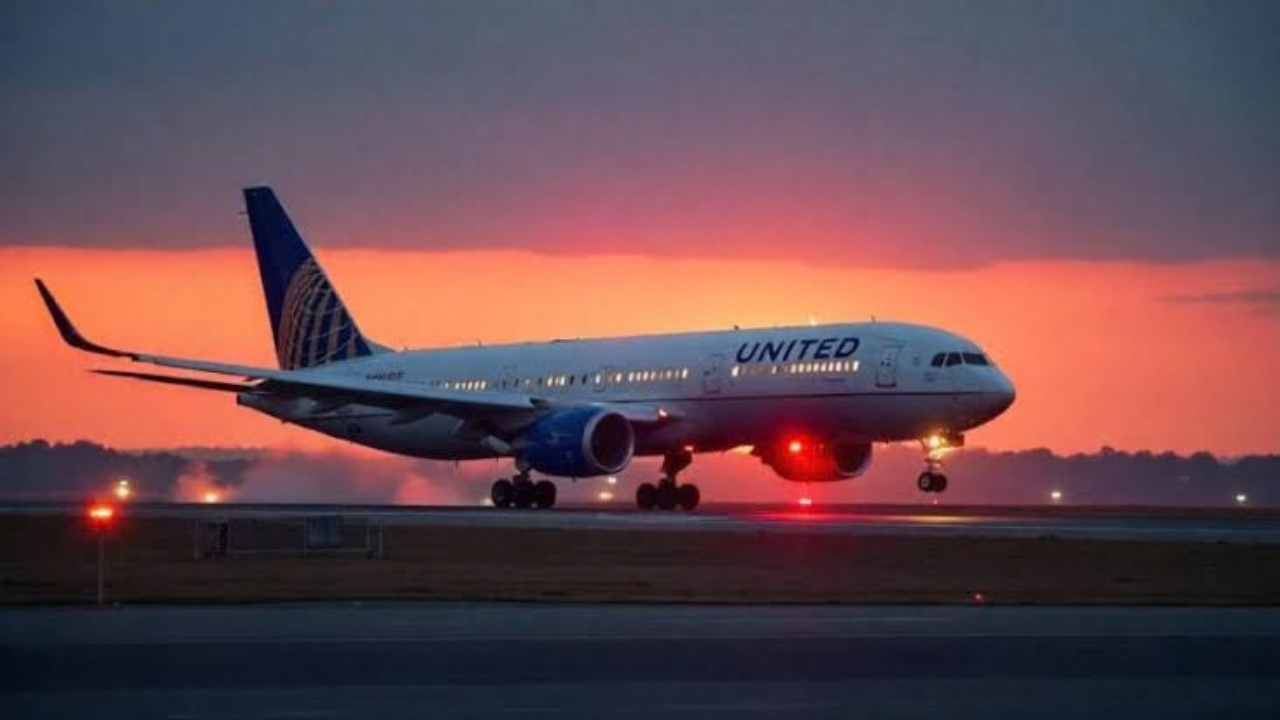
The message pointed to a fault in the electronics cooling system, specifically System 1. For those who do not speak aviation, here is why that matters. Modern jets are packed with computers, screens, and navigation equipment. All of that electronics generates heat. The cooling system keeps those systems from overheating. If it fails, the avionics can shut down, and that is not a risk any pilot takes over the ocean.
The crew did exactly what they are trained to do. They declared an emergency, set the transponder to squawk 7700, and began a controlled return to Newark.
How Did the Emergency Landing Go?
The aircraft landed safely back at Newark Liberty International Airport at 11:15 PM local time, less than two hours after it had left. Emergency crews were standing by as a precaution, but no evacuation was needed. Passengers and crew disembarked normally at Terminal C.
United Airlines later confirmed that the issue was related to the cooling system. No injuries were reported. No dramatic scenes. Just a textbook example of a crew catching a problem early and bringing everyone back to safety before it became something worse.
Was This the Only UA82 Incident?
Not quite. Around the same period, a few other posts popped up online claiming more drama on this route. One passenger said there was a throttle issue. Another said a flight turned back after two hours because of an emergency.
Now, here is the thing about social media. Anyone can post anything. These extra stories did not come with official flight data or maintenance logs, so we cannot confirm them the way we can confirm the July 7 incident. That one has the records to back it up. The others are just posts on a screen.
What we do know for sure is that UA82 kept flying. The route stayed active in the months after, with Boeing 787-9s still making the Newark to Delhi trip every single day.
Why Does This Matter?
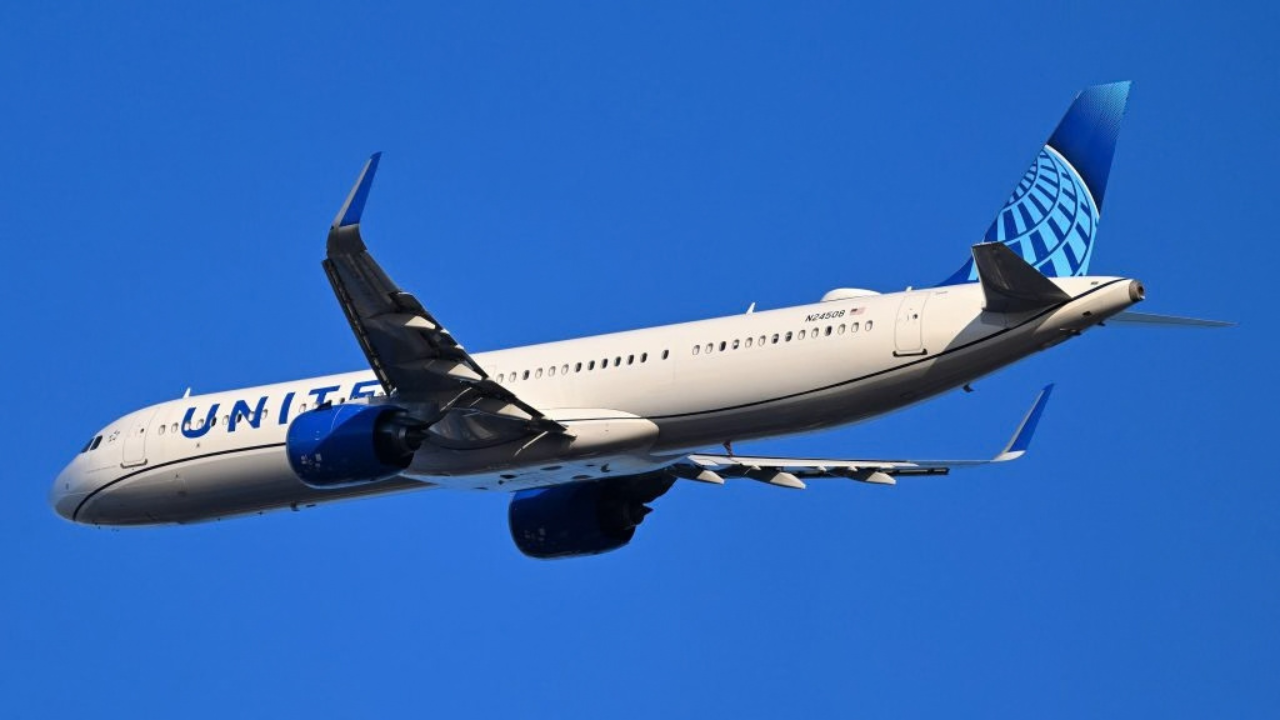
For passengers, this incident is a reminder of something easy to forget. Commercial aviation is built on redundancy and caution. The crew did not try to push through the warning. They did not hope it would fix itself. They turned around, landed, and let maintenance handle it.
For the aviation world, it is another data point in the ongoing story of the Boeing 787 Dreamliner. The 787-9 is one of the most advanced wide body jets flying today, but like any machine, it has systems that need monitoring. Automated alerts like ACARS are specifically designed to catch these faults early, before a pilot even notices anything wrong in the cockpit.
Final Word
The United Airlines flight UA82 emergency on July 7, 2025 ended the best way any emergency can end. With everyone safe on the ground. No drama, no injuries, just a crew doing their job and a system working exactly as designed. For the passengers, it was probably a frustrating night of delays and rebooking. But in the bigger picture, it was a quiet win for aviation safety.
Read More: Google Easter Eggs: Hidden Tricks and Games You Can Try Right Now
