


The matchup between the Denver Broncos and the New York Jets has always shown outstanding defensive battles and tactical contests in the field. Their recent meeting also continued that playing trend, delivering a game with amazing defensive pressure, careful quarterback play and critical special-teams contributions from both teams. Though the final score was close with both teams, the player statistics reveal a much deeper gaming story about how the game unfolded.
In this article, we will provide you with a comprehensive breakdown of the Denver Broncos vs New York Jets match player stats, performance, analyzing quarterback performances, receiving contributions, rushing production, defensive dominance, and overall team comparisons. By checking the individual player numbers and their contributions to the game, we can understand beautifully why the result turned out the way it did.
Overview of the Match
The game between the Broncos and the Jets was a tough and gritty battle where the defenses completely took over all control. Instead of a high-scoring shootout, it was a physical contest where every yard was a struggle for both teams. Both teams wanted to prove their strength, but it quickly became a “defensive masterclass” where points were incredibly hard to come by.

Denver managed to pull off a tight 13–11 victory, while the real credit goes to their defense. They stayed aggressive all game in the field, never giving the Jets’ offense any room to breathe. While the Broncos found just enough momentum to win and the Jets struggled to move the ball under constant pressure. In the end, this game was won through toughness and teamwork rather than flashy plays.
Explore Quarterback Performance
The quarterback is usually the star of any football game, and this one was no different. But the two quarterbacks had very different nights—one played well, the other didn’t. Get it below:
Bo Nix – Denver Broncos
Bo Nix played a very smart and disciplined game for the Denver Broncos. While he didn’t put up massive numbers or throw many touchdowns and his ability to control the game was the key to their win. He finished with 19 completions on 30 pass attempts for 168 yards which was a great number. In a game where the defenses were so tough, his biggest achievement was simply protecting the ball and avoiding expensive turnovers.
Instead of taking risky long shots, they Nix focused on short and accurate passes to move the team down the field slowly and steadily. He stayed calm even when the Jets’ defense tried to rattle him, making several clutch throws to keep his team’s drives alive. His performance might not look flashy on paper, but his efficient decision-making and steady hand were exactly what Denver needed to secure the victory.
Justin Fields – New York Jets
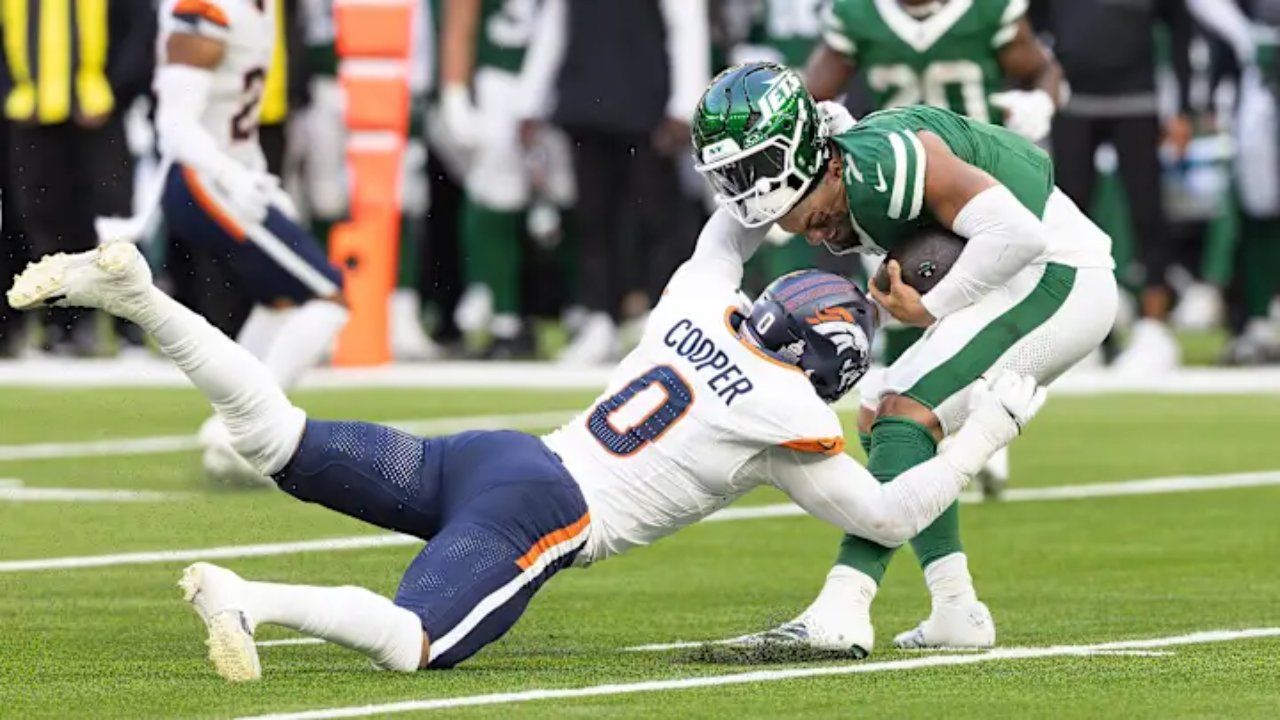
Justin Fields had a very difficult day on the field, largely because the Broncos’ defense never gave him a moment of peace and made it difficult to score any points. He only completed 9 out of 17 passes for a total of 45 yards, which is incredibly low for an NFL game. The biggest problem was the Denver pass rush, which constantly broke through the line and collapsed the pocket before he could even look for a receiver.
Because of this heavy pressure, Fields was sacked nine times, making it impossible for the Jets to find any rhythm. Every time he tried to start a drive and a sack would push the team backward into nearly impossible situations. By the end of the game, the Jets actually finished with negative net passing yards, proving just how much the Broncos’ defense dominated the afternoon.
Running Game Performance & Statistics
Since every point was hard to find, both teams focused on their rushing attacks to stay in control and keep the clock moving.
Denver Broncos Rushing Performance
Javonte Williams was a huge part of Denver’s plan and he especially since moving the ball through the air was so tough. He finished the game with about 77 rushing yards which was a good score, consistently picking up enough ground to keep the offense moving forward in the match. His steady runs meant Denver didn’t get stuck in many long-distance situations, which took a lot of pressure off the rest of the team.
The Broncos used the running game to control the clock and keep the ball away from the Jets team members. By staying committed to the ground attack, they forced the Jets’ defense to stay on their toes, which eventually opened up easier and made their short passes for Bo Nix. Even though there weren’t many huge, flashy runs, these consistent gains were exactly what Denver needed to keep their drives alive and secure the win.
New York Jets Rushing Performance
Since their passing game was struggling to get a good score, the Jets had to rely heavily on their ground attack in the match. They actually managed to pick up around 92 rushing yards while showing they could move the ball at times. However, this success on the ground wasn’t enough to make up for how poorly things were going through the air beautifully.
Because the Jets couldn’t pass perfectly, their running plays became very predictable for building a good defense. This allowed the Broncos to focus all their energy on blocking the running lanes and continuing to swarm the quarterback. Without a balanced attack, the Jets simply couldn’t find a way to break through and score.
Receiving Leaders and Contributions
Denver Broncos Receiving Leaders
Tight end Evan Engram was the main target for Denver to get better control of the team with 5 catches for 42 yards. He did a great job finding open spaces in the middle of the field that helped the Broncos keep their drives moving on several key plays. While star receiver Courtland Sutton had not played well that day, his presence alone kept the Jets’ defense from taking too many risks and allowed the rest of the receivers to focus on short, steady gains.
New York Jets Receiving Leaders
On the other side, the Jets’ receivers had a very tough time because their quarterback was under constant pressure. Star playmaker Garrett Wilson led the team that day playing well, but he was held to just 3 catches for 13 yards which was not a good score. Because the pass rush of the Broncos was so fast, there was simply no time for any deep routes to develop. This forced the Jets into a very limited passing game, preventing their best athletes from making their usual big plays.
Read Also: Dallas Mavericks Vs Sacramento Kings: Know the full Match Stats
Statistics and Impact of Defensive Player
Denver Broncos Defensive Standouts
The Denver Broncos’ defense was the star of the match, putting on an incredible performance with a total of nine sacks and took control of the match. Leading the charge was Jonathon Cooper, who picked up two sacks, while Justin Strnad added another 1.5 sacks and Nik Bonitto also recorded one more. This relentless pressure made it impossible for the Jets to get anything going on offense, as the quarterback was constantly under fire.
While the front line was attacking was on fire, the Broncos’ secondary did a great job of keeping the Jets’ receivers covered tightly. Because no one was open, the quarterback had to hold onto the ball longer, which gave the pass rush even more time to get into the backfield. It was a complete team effort that turned the game into a defensive masterpiece.
New York Jets Defensive Performance
Despite the team’s loss, the Jets’ defense actually played a very strong game, holding Denver to only 13 points. They were disciplined and did a great job of preventing any huge, game-breaking score. Their defensive backs stayed in position and the defensive line managed to put some pressure on the Broncos’ offense throughout the afternoon.
The biggest challenge for the Jets’ defense was that their own offense couldn’t stay on the field and had not provided a good performance. Because the offense kept having short drives, the defense had to spend a lot of time out there without much rest. Eventually, this exhaustion made it easier for Denver to control the pace of the game and walk away with the win.
Special Contributions of Teams

In this close game, special teams can make all the difference and that is exactly what happened here on the field. Denver’s kicker, Wil Lutz, was the hero of the day who had an outstanding performance, successfully kicking multiple field goals, including the one that officially won the game. While the Jets’ kicking team also did a good job of keeping the score close, Lutz’s accuracy under pressure gave the Broncos the final edge they needed to take home the victory.
Overall Team’s Performance and Statistics Comparison
The numbers tell the real story of this game. The Broncos moved the ball all day and racking up 246 total yards, while the Jets barely scraped together 82. Through the air, Denver threw for 168 yards; on the other hand, the Jets actually finished with negative passing yards because their quarterback spent most of the game on his back. New York did run the ball a bit better than Denver, but that small edge didn’t matter when they couldn’t throw at all.
The Broncos also kept the chains moving with 12 first downs compared to the Jets’ 8, while showing they had the more reliable offense. Where the game really got ugly was in the pass rush. Denver’s defense sacked the Jets quarterback nine times, while the Jets only managed one sack all game. That defensive pressure was the difference maker and explains why the Broncos controlled this matchup from start to finish.
Final Word
This game between the Denver Broncos and New York Jets showed how a strong defense can win football games. Even though the final score was tight, the stats reveal how differently the two teams actually played. The Broncos’ defense was all over the field, sacking the Jets quarterback nine times and barely letting their offense breathe. On offense, Denver played smart by taking care of the ball and picking up yards when they needed them.
The Jets just couldn’t handle the pressure. Their defense held up okay, but the offense never got going with Denver’s defensive line constantly in their backfield. They couldn’t build any rhythm or put together drives when it mattered. In the end, this game proves that pressure on the quarterback, keeping your cool, and solid special teams play can decide a close NFL game.
Read More: Philadelphia Eagles VS Buffalo Bills Match Player Stats: Full Breakdown of Top Performers
