


Indiana Hoosiers fans are looking for much more than final scores. They want to learn about which player ran the ball, who threw the touchdowns and which player had a big play on the defense. This article will help you understand the Indiana Hoosiers football match player stats to follow each game with confidence.
You’ll discover how to locate numbers that are reliable, what statistics are most important, and how to analyze a box score in a hurry. We also discuss a recent game and the all-important “before-game” questions that are asked by the fans.
Why Player Stats Matter for Hoosiers Fans
A scoreboard lets you know who won the game, player stats lets you know why. What a quarterback can do, the running back’s speed, or the pressure a defensive lineman can put on a running back can make the difference in a close game.
These numerals are also used by Hoosiers fans for creating fantasy teams, discussing team MVPs, and talking about who should get national attention. Looking at stats over a number of games shows trends, such as a receiver becoming a big target or a defense getting better at running backs.
Key Stats to Track in Every Match
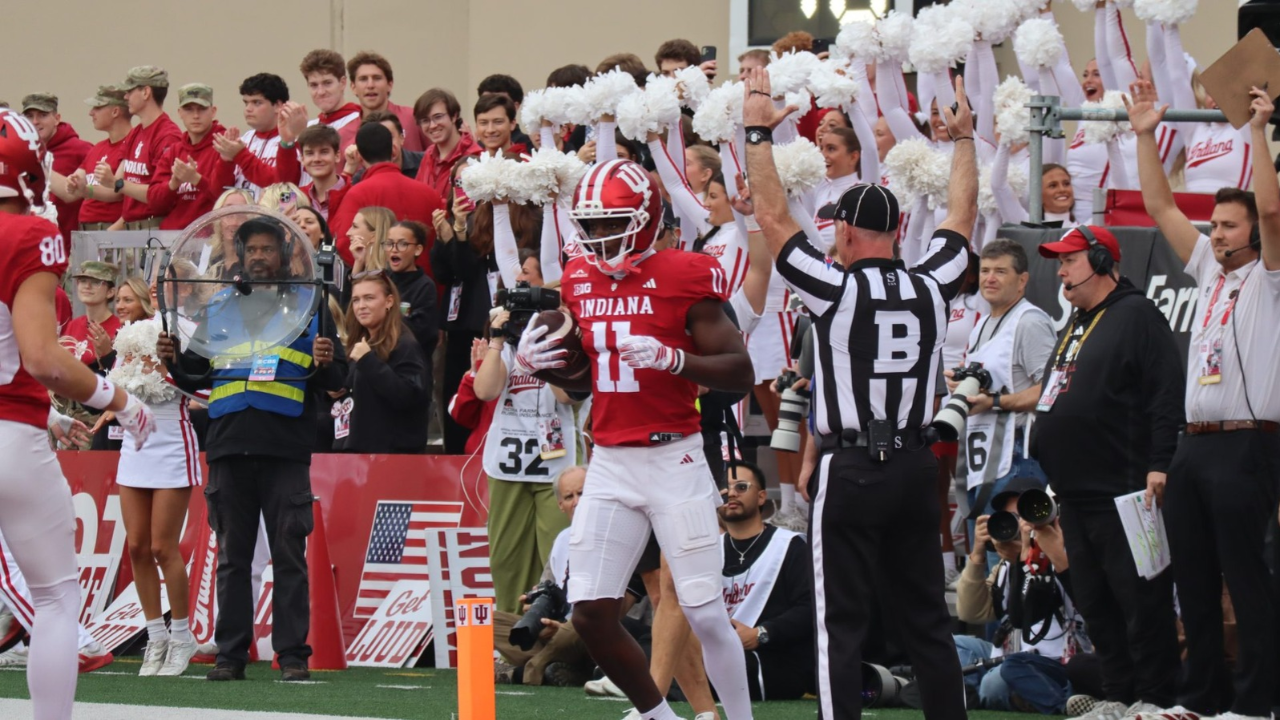
Passing
Check on completions, attempts, passing yards, touchdowns, interceptions and passer rating. Completion percentage and yards per attempt are indicators of the efficiency with which the offense can get the ball down field, and sacks taken measure how well the line is able to shield the quarterback.
Rushing
Who is driving the ground game is revealed by carries, yards, yards per carry, touchdowns and the longest run. Players that have high averages on fewer carries tend to have explosive plays.
Receiving
The quarterback’s trust in the receivers is revealed by the number of targets, receptions, yards and touchdowns. The number of catches and yards per catch are indicators of reliability and big play skills, respectively.
Defense and Special Teams
Solo tackles, assists, sacks, tackles for loss, interceptions and passes defended are used to assess defensive impact. Special team yardage, field goal accuracy, and punt averages are important for special teams as kicking can be the difference-maker in close contests.
Recent Match Snapshot: Washington vs Indiana
The last time the Hoosiers played on November 21 was when they lost 27-24 in overtime at Washington. After the first quarter, the teams were tied at 14, but the game remained close until a late field goal would put it to bed.
Indiana got the ball to Washington for 392 yards while Washington had 443. The Hoosiers picked up 152 yards on 37 carries and had 240 yards of passing with 15 of 29 passes completed and two interceptions. They also had four sacks and one interception, and had no turnovers.
The TDs came in a combination of a 74-yard touchdown pass from G. Wilson to C. Becker, a 5-yard touchdown run from Wilson and a 35-yard touchdown pass from J. Hoover to N. Marsh in the fourth quarter. One weakness was kicking as Indiana had one of three field goal attempts blocked.
Please check the player’s lines against the official box score, as scoring summaries do not include full lines. Indiana’s next game will be Nov. 29 at home against Purdue.
Where to Find Accurate Player Stats
Sources, sources make a difference! Visit the official team website, iuhoosiers.com for box scores and season statistics. ESPN and NCAA.com also provide full game statistics, such as play-by-play and individual leaders. Sports Reference is helpful for players to compare in terms of years and seasons.
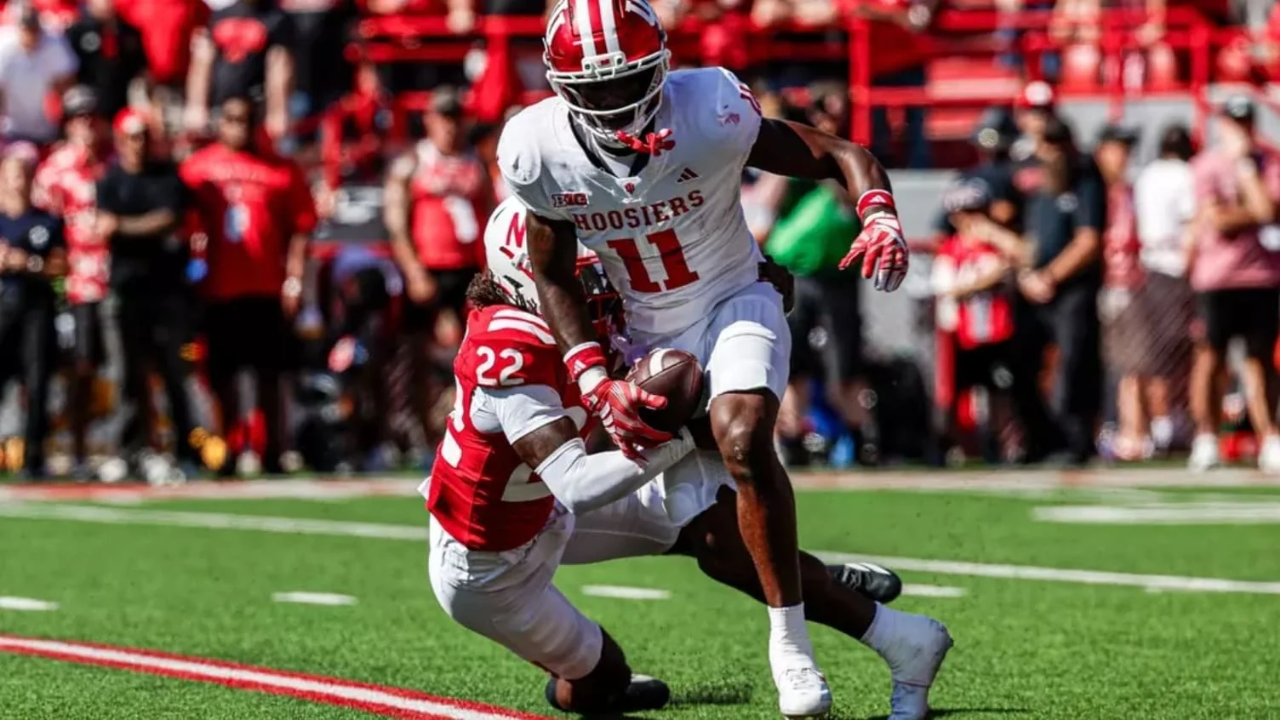
Official sources come before social media posts as stat corrections are done after the game. A score that is tweeted during the game can change after the film is reviewed by the scorers, so it’s best to use a final box score.
How to Read a Box Score
Use team totals: total yards, first downs, turnovers and time of possession. These provide you with the shape of the game. Next look through the playing, rushing and receiving tables to determine who created these numbers.
Next, compare the yards per play and turnover margin. A team can be the victor when they get less yards than their opponents, but win the turnover war. Last but not least, look at the defensive tables for sacks and tackles for loss that indicate who threw a wrench into the opponents’ offense.
Final Word
Indiana Hoosiers football match player stats will provide you with a deeper understanding of each game. Follow the passing, rushing, receiving and defensive numbers and use the box scores to verify. After every game, look back for new stats and the next match up preview.
FAQs
1.Where do I look up some Indiana Hoosiers football stats?
Official box scores can be found on iuhoosiers.com, ESPN and NCAA.com. They include passing, rushing, receiving, defensive numbers per game and all season.
2.What are the most important statistics for a quarterback?
These statistics best illustrate completion percentage, passing yards, touchdowns, interceptions and passer rating.
3.How are defensive stats kept?
Defenders collect solo tackles, assists, sacks, tackles for loss, interceptions and pass defensed. Solo and assisted stops are combined to form combined tackles.
4.Do live game statistics equal final statistics?
Not always. Numbers may be subject to change due to officials playing the play and/or scorers correcting credits. The most accurate player totals are from the final box scores.
5.How often are Hoosiers season stats updated?
Season totals usually are updated after every game with a lag time of no more than 1 day. The live game statistics are updated as the games are played on the major sports sites and apps.
Read More: Caitlin Clark Biography: Age, Family, Career & Net Worth
