

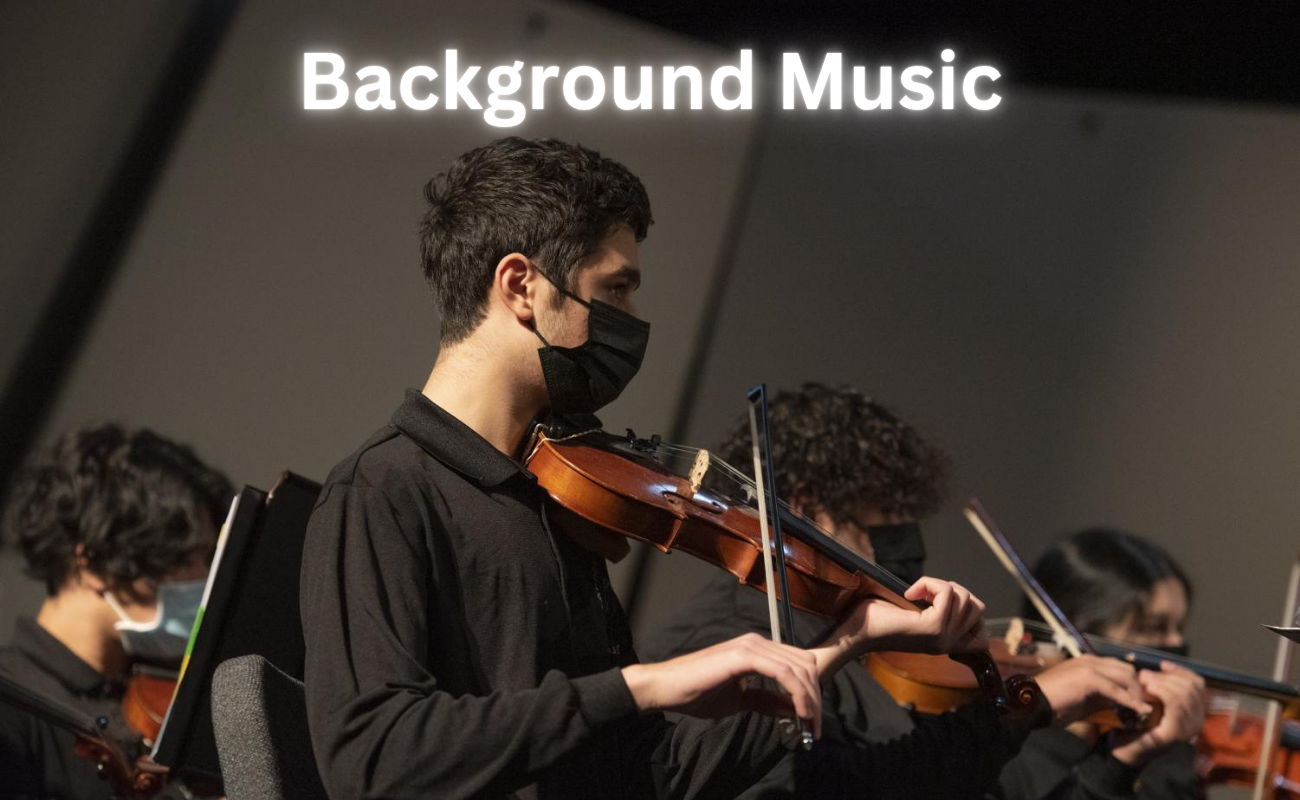
Music quietly moulds our days, without us realizing. Ambient music can help to make you feel happier, to soothe you down, or to concentrate when you need to. That’s why there are a lot of people out there that are interested in your experience with a pleasant background music as it tells a lot about the power of noise on the emotions and level of productivity.
We will be exploring why music is important in everyday life, how music can assist with work and how music can feature in podcasts and videos. At the end, you will have a clearer understanding of your listening practices and be able to pay attention and be aware of your own listening.
The Importance of Music in Everyday Life
It’s obvious just how important music is to the average person. It can help to alter your mood in just a few seconds, influence the way you think and help you to feel more energised when you are feeling down. Music can encourage you to endure a grueling workout, calm your nerves at the end of a long day or get you through a rough patch in your life.

It also makes for a long-lasting memory. One song can transport you back to a particular time, person or place. What’s more, music provides people with means of self-expression as they produce their own songs, play or sing them, or select what to listen to. Given all the advantages, it can only be logical that no one enjoys a day without listening to some type of music.
How Background Music Boosts Productivity
There are several studies that refer to this, music can lift one’s spirits and make them feel relaxed, both of which are conducive to concentration. Stress and relaxation have an inverse relationship, meaning that a person who is relaxed is not stressed and has more ideas to allocate to tasks.
One of the major motivating factors behind why people would like to write about your experience is the fact that you’ve noticed that your workday is that much more enjoyable when you have that appealing track in the background.
This is dependent on an individual, of course. Some people work better with soft instrumental music, others would prefer an up beat song that will keep them on their toes. The trick is to know what works for YOU, and not what works for somebody else.
Read Also: Google Easter Eggs: Hidden Tricks and Games You Can Try Right Now
Using Music in Podcasts
As a podcaster, you are all too familiar with the fact that you’re not working with a visual medium. You can’t show your face and make your expressions, so your voice and tone must deliver everything you’re going to ask for. This adds significance to background music used, if there is any.
If appropriate, there can be music to start and end each topic, and a background track can help to set the atmosphere before you begin your speech. It must, however, not overshadow your voice. Aim to maintain listeners’ attention through your speech and have music in the background.
Choosing Music For Videos
Videos provide you with a visual component on which to work, but it’s not as if music is less important. In fact, the right song can either make or break the overall look of a video. When the music doesn’t fit the message, it can be disjointed or baffling. Informative videos will generally be better with background music that is not too loud, and does not obstruct the voice over.

However, if your video contains humor or is a fun or entertaining video, a more uplifting song, such as funky or one that has a “groovy” vibe is more suitable. One of the most subtle genres for such a talk is pop, indie rock or rap, depending on the topic. If you’re talking about fashion, for instance.
Final Word
Music isn’t background music at all. It can affect our mood, help to focus, and bring emotion to our work, and to a video with a message to share. When you take time to reflect on your relationship to music, and listen to it, you can listen to it more intentionally throughout your day, whether you are working or relaxing, or making music for people to listen to.
FAQs
1.What is it about your experience of a tempting background music?
It can be thinking about the effect that a specific genre of music has on you, for example, relaxing, concentrating or inspiring.
2.Is background music a productivity booster?
Yes. Music has stress relieving, mood elevating effects that allow for mental energy to be free for focus. Each person is affected differently.
3.What kind of music is appropriate for videos?
This will vary according to the tone of your content. For informative videos, use soft, ambient music for entertainment videos, use upbeat music such as funk.
4.Is background music a good idea when working at home?
Yes, for lots of people. It can improve one’s mood and minimize the distraction of silence or external noises.
5.Why should I write about my music preferences online?
An anecdote like that, if it’s relevant and relatable to readers, can resonate with them in blogs and social media and can help others discover some music they can use in their own routines.
Read More: Lakers vs Atlanta Hawks Match Player Stats: Full Breakdown
