

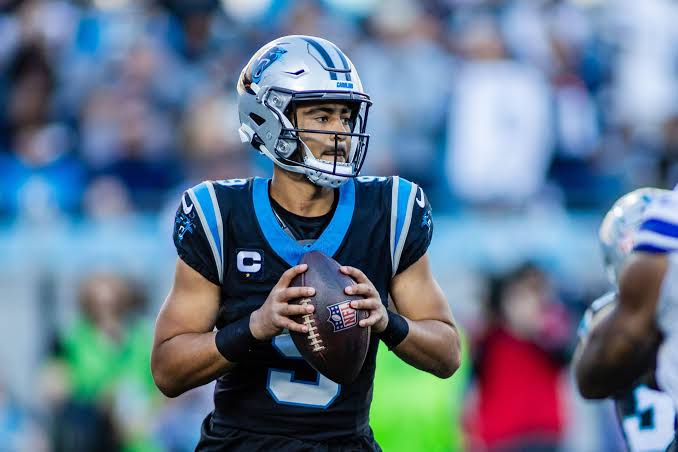
Few storylines generate as much fan excitement as watching genuinely young talent break into professional football, players who arrive in training camps as teenagers or barely into their twenties before eventually developing into legitimate league stars. Understanding who currently holds youngest-player distinctions, alongside broader trends in how age factors into modern roster construction, offers genuine insight into the league’s ongoing talent pipeline. Fans wanting to follow current NFL coverage can check the latest updates at dbbet nigeria, where football news stays current throughout the season.
Understanding Young Football Players in Today’s NFL
Young football players entering the league typically arrive through the annual draft process immediately following their college eligibility, meaning most rookies enter professional competition somewhere between twenty-one and twenty-three years old depending on how long they played collegiately.
This age range reflects NFL draft eligibility rules, which generally require players to be three years removed from high school graduation before entering the draft, effectively preventing the kind of teenage professional debuts occasionally seen in other major sports.
Despite this structural limitation compared to sports allowing earlier professional entry, the NFL still produces genuinely compelling storylines around its youngest players each season, particularly those who make immediate starting-caliber contributions despite their limited experience.
Who Is the Youngest Player in the NFL: Recent Historical Context
Addressing who is the youngest player in the nfl requires understanding that this distinction shifts annually as rosters turn over, with each new draft class typically introducing at least one player who briefly holds the league’s youngest-active-player status.
During the 2025 season, running back Dylan Sampson held this distinction after being selected by the Cleveland Browns in the fourth round of that year’s draft, entering his rookie season at just twenty years old before turning twenty-one shortly after.
This pattern typically repeats annually, since draft classes regularly include at least a handful of players who enter the league while still twenty or barely twenty-one, particularly those who left college early or played fewer collegiate seasons than typical draft prospects.
Understanding the Youngest NFL Player Distinction Historically
Tracing the youngest nfl player designation across football history reveals some genuinely remarkable outliers, including Jim Snyder, who played a single game for the Milwaukee Badgers back in 1925 at just sixteen years old.
Within the sport’s modern era specifically, defensive tackle Amobi Okoye holds recognition as the youngest player drafted, entering the league at just nineteen years old when the Houston Texans selected him during the 2007 draft process.
These historical outliers remain genuinely exceptional rather than representative of typical draft patterns, since standard collegiate eligibility timelines mean most players entering the NFL today arrive considerably older than these particular historical exceptions.
Why Age Matters Less Than Draft Position for Career Trajectory
While youngest-player distinctions generate interesting trivia and media attention, actual career success correlates far more strongly with draft position, physical readiness, and scheme fit than simply how young a particular player happens to be upon entry.
Some of the league’s most successful young stars entered relatively older by draft class standards, having played additional collegiate seasons that provided valuable additional development time before facing professional competition’s considerably increased physical and mental demands.
This distinction matters for evaluating genuine talent versus simple statistical curiosities, since being the youngest player in a given season reflects birth timing and college tenure decisions rather than necessarily predicting superior long-term professional potential.
Standout Young Stars Beyond Pure Age Distinctions
Beyond simply identifying the technically youngest active player, several recent seasons have produced genuinely exceptional young talent making immediate impact regardless of their specific age relative to draft-class peers.
Recent Offensive Rookie of the Year recipients have demonstrated that youth doesn’t preclude immediate elite-level production, with several first-year players posting statistical seasons that rival or exceed contributions from considerably more experienced veteran counterparts.
These standout performances typically generate more substantial media attention and fan interest than pure age-based distinctions, since sustained on-field production ultimately matters more for team success than simply being the technically youngest roster member.
How Rookie Classes Get Evaluated for Long-Term Potential
Team personnel departments increasingly emphasize building rosters around young, cost-controlled talent given the salary cap advantages associated with rookie contracts compared to accumulated veteran compensation across extended careers.
This strategic emphasis has elevated the importance of accurately evaluating draft prospects, since teams increasingly build sustained competitive windows around identifying which young players can develop into foundational pieces during their initial, more affordable contract seasons.
Position-specific development timelines also factor significantly into these evaluations, since certain positions like quarterback typically require longer adjustment periods compared to others where physical talent can translate into immediate professional production regardless of experience level.
The Physical and Mental Adjustment Facing Young Players
Transitioning from college football to professional competition demands significant adjustment regardless of a player’s specific age, though younger entrants sometimes face additional challenges adapting to the league’s substantially increased physical and schematic complexity.
Strength and conditioning programs specifically tailored toward younger players have become increasingly sophisticated, recognizing that even physically gifted college standouts typically require continued development before matching the sustained physical demands of a full professional season.
Mental preparation carries similar significance too, since younger players must rapidly absorb considerably more complex offensive and defensive systems than most collegiate programs typically employ, a genuine cognitive adjustment beyond pure physical readiness alone.
Draft Classes and Their Ongoing Development Timeline
Recent draft classes have continued producing notable young talent across various positions, with several first-round selections already demonstrating starting-caliber contributions during their initial training camp and preseason evaluation periods.
Offensive line prospects specifically have shown accelerated readiness in recent draft cycles, with several rookies earning immediate starting opportunities based on strong performances during offseason team activities and organized practice sessions.
This pattern of rapid rookie integration reflects evolving coaching philosophy too, increasingly willing to trust younger players with significant responsibility rather than the more gradual, patience-heavy development approaches that characterized earlier eras of professional football roster management.
Balancing Youth and Experience Across Team Rosters
Successful NFL rosters typically blend younger, athletically gifted talent with experienced veteran leadership, recognizing that pure youth alone rarely produces sustained championship-level success without accompanying mentorship and institutional knowledge.
This balance has become an increasingly deliberate roster-building strategy, with teams carefully managing how quickly they transition away from established veterans toward younger, more cost-controlled alternatives across different position groups throughout a competitive roster.
Teams with particularly strong young cores across multiple positions often generate considerable optimism regarding sustained future competitiveness, since accumulated young talent on rookie contracts provides valuable salary cap flexibility for future roster additions.
What Young Talent Means for the League’s Competitive Future
The continued emergence of genuinely impactful young players suggests college football’s talent development pipeline remains robust, consistently producing prospects capable of immediate professional contribution despite football’s demanding physical and schematic requirements.
This sustained talent pipeline benefits the broader league considerably too, ensuring continued competitive parity as teams cycle through roster construction phases, with successful young player development often determining which franchises sustain long-term competitive relevance.
Whatever specific players ultimately claim youngest-active-player distinctions in coming seasons, the broader pattern of young talent making immediate meaningful contributions ensures continued fan interest in tracking how each new draft class develops throughout their rookie campaigns and beyond.
