

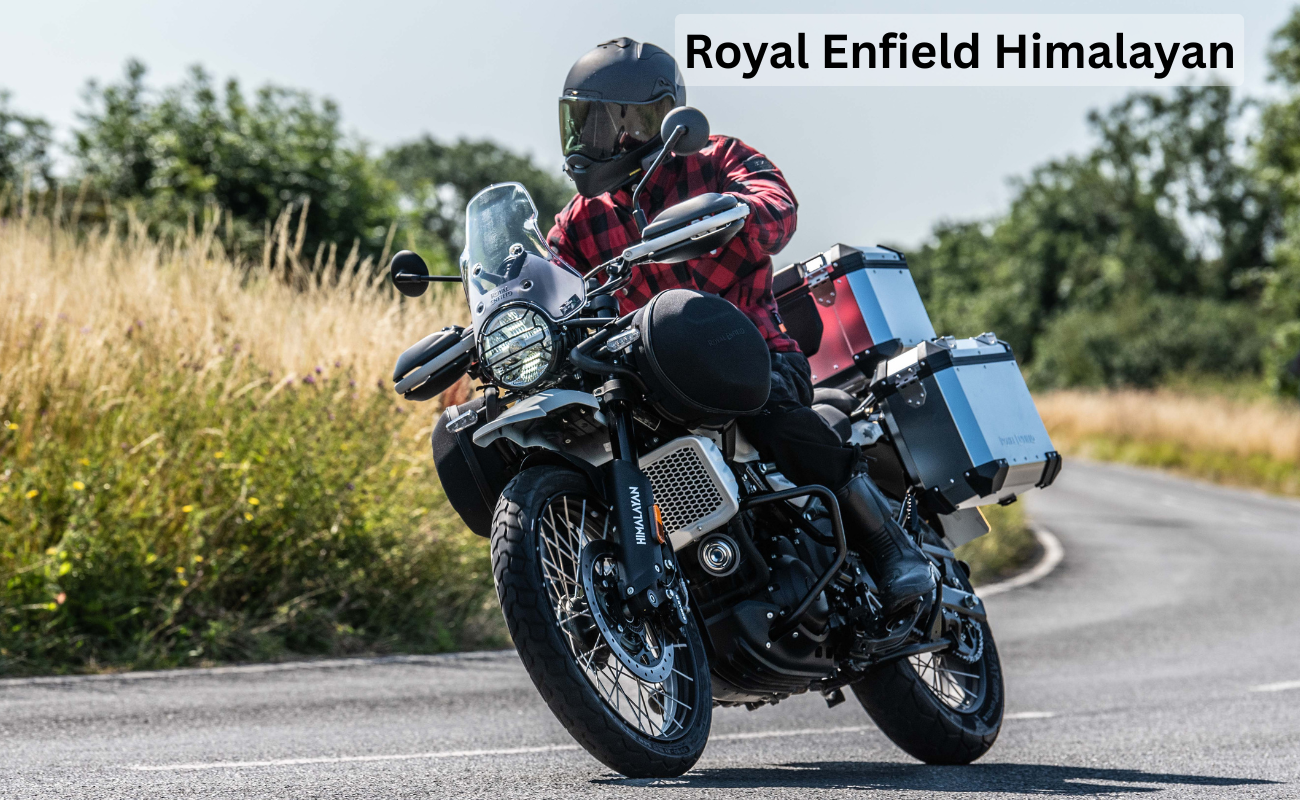
In search for a thrilling motorbike without the hefty price tag? The Royal Enfield Himalayan 450 is a newer model on the market in the U.S., but the brand has been around for over 120 years. We spent two weeks on it, from low to high, on and off the mountains of Nepal.
You will read about its price, engine, comfort, weight and reliability in this article. At the end, you’ll have an idea of whether this bike is suitable for your next ride.
A Brand With a Long Story
The Royal Enfield is a British company, which began manufacturing in 1901 and has never stopped since. That makes this the oldest motorcycle company still operating today. In 1955, the company opened a factory in India, and all models are now made there. The brand was considered as a retro option by people in the Western countries for years. The Himalayan 450 turns that on its head. It is a modern bike, designed in the U.K. and made for adventure riding.
Price and Value
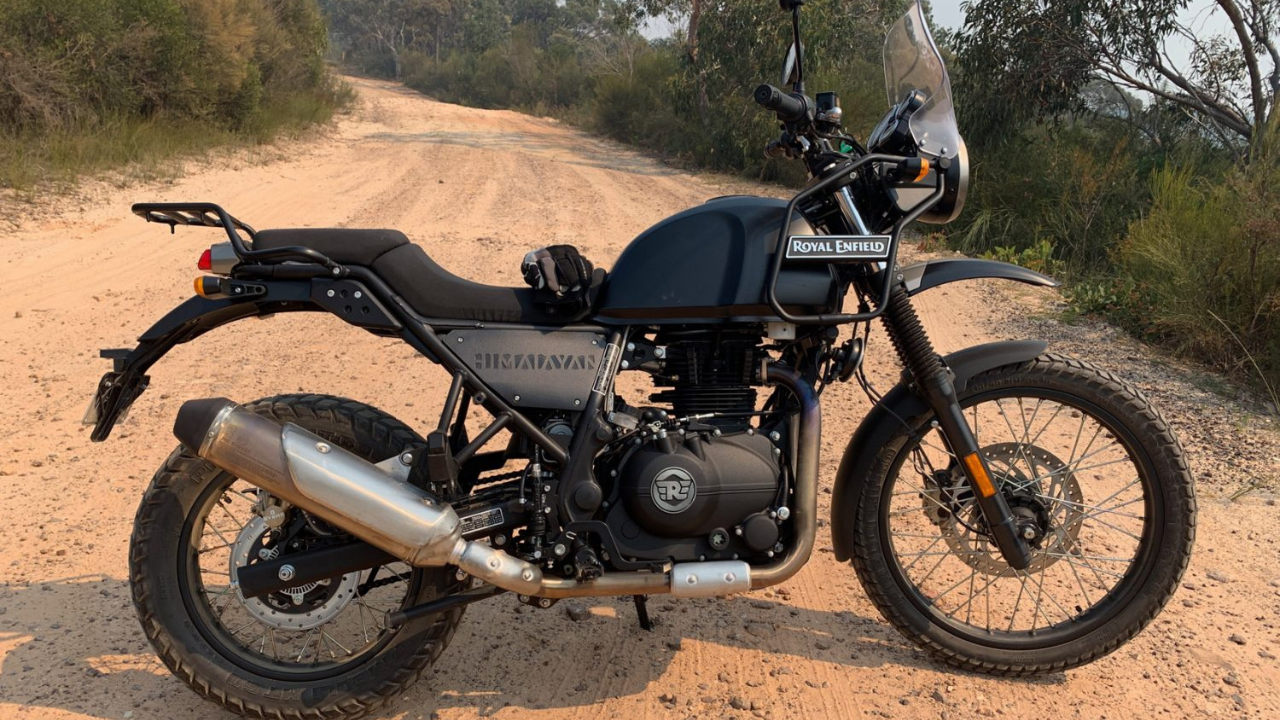
The main reason to consider this bike is the price. The base model is $5,799 with a slightly upgraded one having a price of $5,999. The writer claims it is less than half the price of a KTM dual-sport bike. That is a big deal for riders who want to go a little out of their way without having to shell out a lot of money.
What Comes Standard
This bike was conceived from the outset as an adventure bike. It is not from a race bike. All bikes include a rear luggage rack, crash bars and a windscreen fitted to the bike’s frame. It has a fuel tank capacity of 4.5 gallons that is helpful for long rides away from the gas station. With all of this extra equipment, the bike weighs more than 400 lbs.
The Sherpa Engine
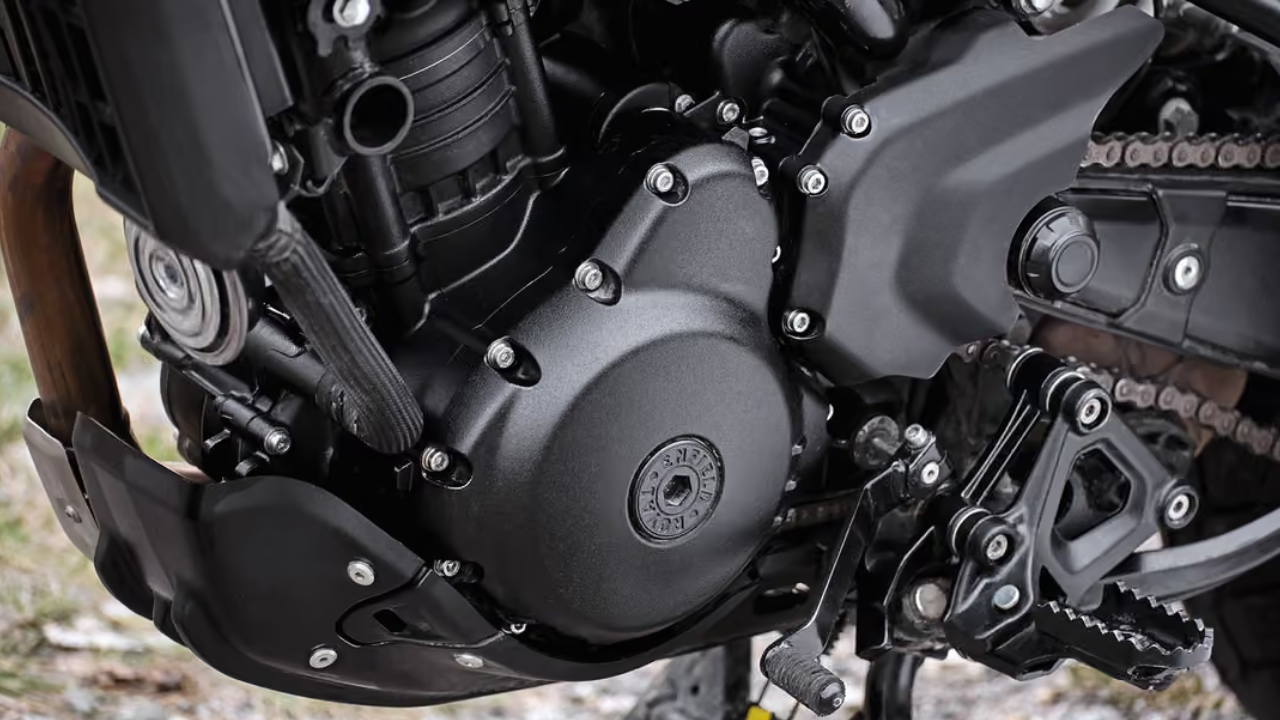
The bike is powered by a new engine, Sherpa. It’s the most modern engine Royal Enfield has produced to date, and has six gears and fuel injection. It is a bit cumbersome next to a top level 450, but is equal in power to other 450s that have been sold in the U.S.
The star of the show was the fuel injection. The Nepal ride was from 2600 feet to 15500 feet above sea level. This bike was always easy to start and run clean, and at this elevation, all engines lose power. It reached a lower speed of 160 kph on dirt. That’s more than 100 mph.
Suspension, Seat and Brakes
The suspension is soft and that’s not a bad thing on a bike designed for long days. It turned out to be very comfortable after hours, days and weeks of riding. He also found that the seat height can be adjusted. The brakes come from Bybre, a company owned by Brembo. The ABS comes in four modes and there’s a switch on the handlebar that allows you to determine how much assistance you want at start-up.
The Weight Problem
The biggest negative to come with the bike is its weight. Don’t get me wrong: it’s a heavy bike. Think of a Kawasaki KLR650 and you get the idea. The engine is more powerful than the KLR, but lacks torque.
Reliability on the Trail
Out-of-country and non-Japanese bikes tend to conjure up one large question: will they endure? The magazine test bikes do not always have sufficient time to respond. The trip this one was not. A group of 17 Royal Enfield 450s were ridden day after day. No mechanical issues occurred in any. A few of them were broken down and a couple of levers were slightly bent.
Final Word
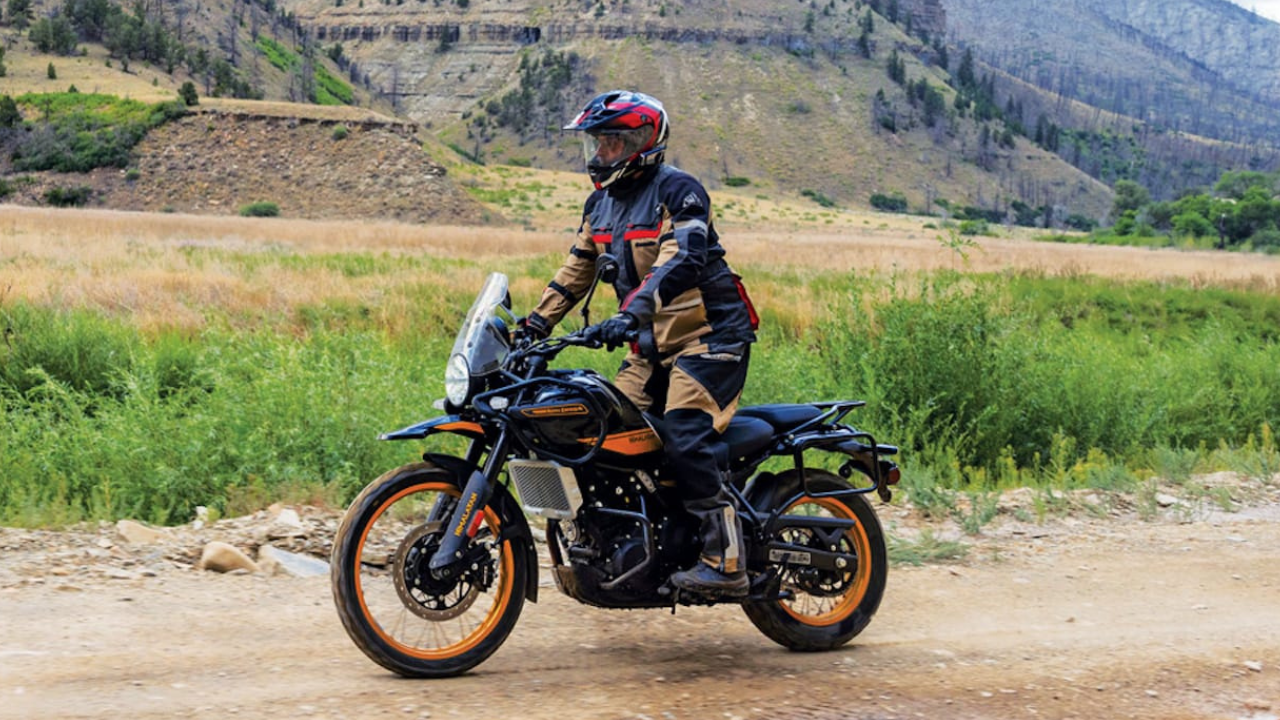
The Royal Enfield Himalayan is not a race bike, nor does it pretend to be. This is a comfy, contemporary and not too expensive adventure bike with a strong engine. Its biggest drawback is the weight. However, at this low price and with a spotless record on a difficult journey, it’s a great choice for those looking for adventure for cost.
FAQs
1.How much does the Himalayan 450 cost?
The base model of the vehicle is priced at $5,799 in the U.S. The slightly upgraded version is $5,999.
2.Which is the place where Himalayan 450 is produced?
The company established its factory in India in 1955 and manufactured all the Royal Enfield models there. The company was established in the UK in 1901.
3.How fast is the Himalayan 450?
The bike’s speed of over 100 mph (160 kph) was recorded on dirt at lower ground level on the Nepal ride. Its power was diminished at very high places, like any engine.
4.Is the Himalayan 450 heavy?
Yes. It weighs more than 400 pounds with a luggage rack, crash bars, windscreen and the 4.5-gallon water tank. The writer is comparing the weight to that of a Kawasaki KLR650.
5.Is the Himalayan 450 accurate?
Early signs are favourable. For the Nepal ride, 17 bikes were ridden day after day, without any mechanical issues. A few bikes were wrecked but the worst injuries were bent levers or two.
