

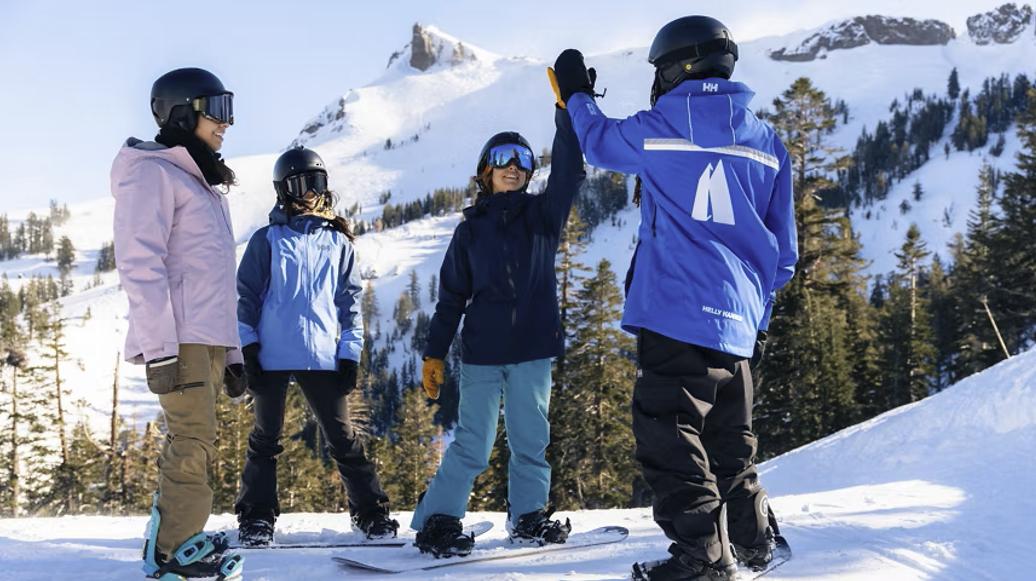
Few winter sports debates generate as much ongoing discussion as the comparison between these two mountain disciplines, each demanding genuinely distinct equipment and technique despite sharing the same snowy slopes and lift infrastructure. Understanding the essential gear requirements alongside honest comparisons between learning curves helps newcomers make genuinely informed decisions before investing in either sport. Fans wanting to follow winter sports coverage can check the latest updates at db bet, where sports coverage stays current across a wide range of competitive disciplines.
Understanding the Fundamental Equipment Differences
Snowboarding and skiing require genuinely distinct equipment setups, reflecting their fundamentally different biomechanics, since snowboarding involves both feet secured to a single board while skiing utilizes two independent skis controlled separately.
This foundational equipment difference shapes everything about how beginners approach learning either sport, since snowboarding’s unified stance creates different balance challenges compared to skiing’s requirement for coordinating two independently moving skis simultaneously.
Understanding these equipment fundamentals before making a purchase decision helps newcomers avoid costly mistakes too, since properly fitted gear significantly influences both safety and genuine learning progress regardless of which particular winter sport someone ultimately chooses to pursue.
Breaking Down Essential Snowboarding Gear
Snowboarding gear encompasses several essential components beyond simply the board itself, including bindings that secure boots to the board, appropriate outerwear, and various protective equipment that collectively determine both comfort and safety on the mountain.
Board selection specifically depends considerably on rider height, weight, and intended riding style, since boards designed for terrain park tricks differ meaningfully from those optimized for all-mountain versatility or dedicated powder riding conditions.
Beginners typically benefit from renting complete gear packages initially rather than purchasing equipment immediately, since this rental approach allows newcomers to experience different board types and gear configurations before committing to specific personal equipment purchases.
Understanding Snowboarding Boots and Their Critical Role
Snowboarding boots represent perhaps the most crucial equipment purchase for any snowboarder, since these specialized boots must provide genuine ankle support while remaining flexible enough to allow the natural movement snowboarding technique requires.
Unlike ski boots, which feature rigid plastic shells providing maximum stiffness and control, snowboarding boots typically incorporate softer materials combined with internal support structures, balancing genuine flexibility against the ankle stability necessary for safe riding.
Proper boot fit proves genuinely critical too, since boots that are too loose create dangerous instability while overly tight boots can cause circulation problems and discomfort that significantly detracts from a rider’s ability to focus on technique throughout extended sessions on the mountain.
Choosing the Right Snowboarding Goggles
Snowboarding goggles serve considerably more purpose than simple sun protection, providing genuine visibility enhancement across varying weather and lighting conditions while also protecting eyes from wind, snow, and potential debris during actual riding.
Lens tint selection significantly affects performance too, with darker tints suited toward bright, sunny conditions while lighter or yellow-tinted lenses considerably improve visibility during overcast or low-light conditions common throughout many mountain riding days.
Many riders eventually invest in goggles featuring interchangeable lens systems, allowing quick adaptation to changing mountain conditions throughout a single day without requiring multiple separate goggle purchases for different lighting and weather scenarios.
Additional Essential Snowboarding Equipment
Beyond boots and goggles, snowboarders need appropriate outerwear specifically designed for winter mountain conditions, including waterproof, breathable jackets and pants that manage moisture while providing genuine warmth during extended cold-weather exposure.
Wrist guards represent particularly valuable protective equipment for beginning snowboarders specifically, since falling backward onto outstretched hands represents one of the most common injury mechanisms newcomers experience while learning fundamental balance and riding technique.
Helmets have become increasingly standard equipment across both disciplines too, with modern mountain resort culture generally embracing helmet use as basic safety practice rather than the optional consideration it once represented during earlier eras of winter sports participation.
Is Skiing or Snowboarding Easier: Addressing the Common Question
Answering whether is skiing or snowboarding easier requires acknowledging genuine nuance, since research and instructor consensus generally suggests skiing offers an easier initial learning curve while snowboarding potentially reaches intermediate proficiency somewhat faster once basic balance develops.
Skiing’s independent leg movement allows beginners to maintain balance more intuitively during initial lessons, since falling typically involves simply sitting down rather than the more disorienting tumbles snowboarding beginners commonly experience during early learning stages.
This skiing advantage during absolute beginner stages often reverses somewhat as students progress though, since many instructors report snowboarders can reach comfortable, confident intermediate-level riding somewhat faster once they’ve overcome that initially steeper beginning learning curve.
Is Snowboarding or Skiing Easier: A Different Perspective
Approaching is snowboarding or skiing easier from snowboarding’s specific perspective reveals genuine tradeoffs, since while snowboarding’s beginning stages often prove more physically challenging, the unified board stance eventually provides certain intuitive advantages once basic balance develops.
Snowboarding’s connection to skateboarding and surfing backgrounds means individuals with prior board-sport experience often progress considerably faster than genuine complete beginners, suggesting personal athletic background significantly influences which sport might prove genuinely easier for specific individuals.
This individualized learning curve variation explains why definitive answers regarding relative difficulty remain genuinely elusive, since personal factors including prior athletic experience, physical conditioning, and even personal risk tolerance all meaningfully influence which sport specific beginners find more naturally accessible.
The Physical Demands of Learning Each Sport
Snowboarding beginners typically experience more falls during initial learning sessions, often landing on their tailbone or wrists while attempting to maintain balance on the unified board stance that differs considerably from typical everyday movement patterns.
Skiing beginners, by contrast, often find the independent ski movement more intuitively comparable to walking or running motions, potentially explaining why many complete beginners report feeling more immediately comfortable during their very first lessons on skis specifically.
Both sports demand genuine core strength and balance development regardless of these initial learning curve differences though, meaning sustained physical conditioning benefits either discipline considerably once students progress beyond these fundamental beginning stages.
Understanding Binding Systems and Stance Setup
Snowboard bindings secure both feet to the board at an angle, with beginners typically starting with a more neutral stance before eventually experimenting with different angle configurations as their riding style and preferences develop through continued practice.
This binding setup proves genuinely important for comfort and control too, since improperly adjusted binding angles can create unnecessary strain on knees and ankles, particularly during extended riding sessions before a beginner develops proper technique and body positioning.
Many resort rental shops provide basic binding setup assistance for beginners too, though understanding fundamental stance principles helps riders communicate their preferences effectively when working with rental staff or eventually purchasing personal equipment.
Beginner Lesson Recommendations for Both Sports
Professional instruction genuinely accelerates learning progress for both sports, since qualified instructors can identify and correct subtle technique errors that beginners often cannot recognize independently through simple trial-and-error practice alone.
Group lesson formats provide valuable structured instruction alongside genuine social encouragement from learning alongside similarly-experienced beginners, though private lessons offer more individualized feedback for students specifically prioritizing faster technical skill development.
Many resorts offer beginner package deals combining equipment rental, lift tickets, and lesson instruction together, providing genuinely cost-effective entry points for newcomers uncertain whether they’ll ultimately prefer skiing or snowboarding before committing to either sport long-term.
Weather and Terrain Considerations for Beginners
Both sports benefit considerably from learning during favorable weather conditions, since beginners already managing genuine technique challenges shouldn’t simultaneously contend with poor visibility or extremely cold temperatures that add unnecessary additional difficulty.
Terrain selection matters significantly too, with beginner slopes specifically designed featuring gentle grades that allow newcomers to develop fundamental balance and control skills without the intimidation factor steeper terrain would introduce during these crucial early learning stages.
Many resorts maintain dedicated beginner areas separate from more advanced terrain, providing genuinely appropriate learning environments where newcomers can practice fundamental skills without navigating around more experienced skiers and snowboarders moving at considerably faster speeds.
Maintenance and Care for Snowboarding Equipment
Proper equipment maintenance significantly extends gear lifespan too, with regular board waxing helping maintain optimal glide performance while also protecting the board’s base material from unnecessary wear and damage during regular use.
Boots require particular attention regarding proper drying between uses, since accumulated moisture can lead to genuine deterioration of internal materials while also creating unpleasant odor issues that regular maintenance practices can effectively prevent.
Goggles similarly benefit from proper storage and cleaning practices, since improper handling can scratch lenses or damage anti-fog coatings that significantly impact visibility performance during actual mountain use in varying weather conditions.
Making the Final Decision Between Sports
Ultimately, choosing between skiing and snowboarding often comes down to genuine personal preference regarding stance style, prior athletic background, and which particular sport’s learning curve and eventual riding style feels most personally appealing and sustainable.
Trying both sports through beginner lessons before making significant equipment investments represents genuinely sound advice too, since firsthand experience provides considerably more reliable guidance than theoretical comparisons when determining personal preference between these related but genuinely distinct winter sports.
Whatever specific sport someone ultimately chooses, understanding proper equipment selection, from boots and goggles through appropriate protective gear, provides genuinely valuable foundation for both safety and enjoyable, sustained participation in either of these popular winter mountain sports.
